
October is Domestic Violence Awareness Month, a time to shine a light on an issue that affects millions of individuals and families across the country. Domestic violence (DV) is not just physical—it's a pattern of harmful behaviors that can include emotional abuse, intimidation, isolation, economic control, and more.
Whether you've experienced DV, know someone who has, or simply want to be part of the solution, your voice and actions matter.
Understanding Domestic Violence
Domestic violence occurs in all communities, regardless of race, income, or social status. It affects celebrities, politicians, neighbors, and friends. Famous figures like Princess Diana, Kamala Harris, and Rihanna have shared their experiences, reminding us that DV is a widespread issue.
The Duluth Model outlines eight key tactics often used in abusive relationships:
- Emotional abuse
- Isolation
- Intimidation
- Coercion and threats
- Economic abuse
- Use of children
- Use of privilege
- Denial, minimization, and blame
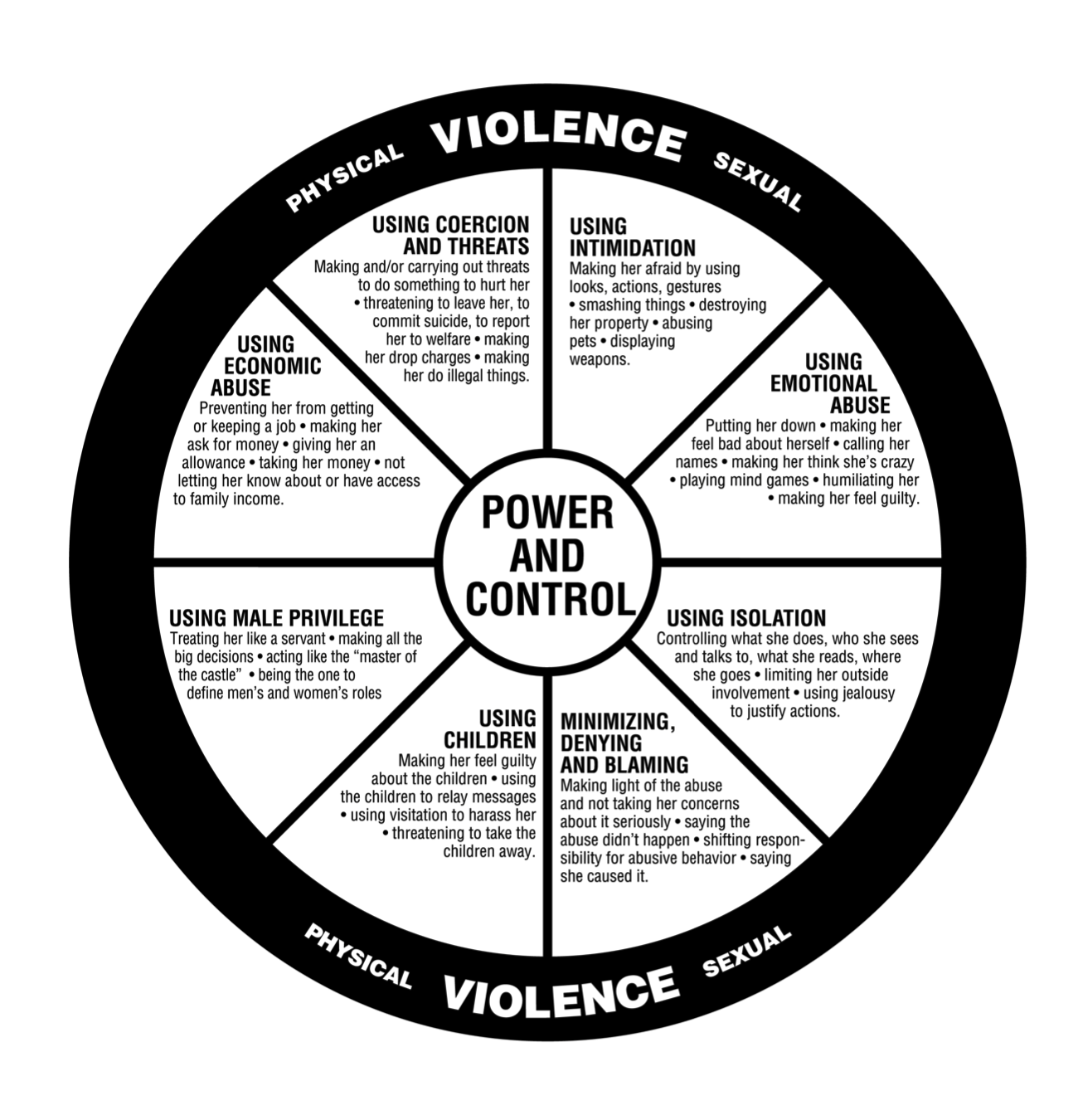
Click image to open in new tab for better viewing.
Image credit: Domestic Abuse Intervention Programs, 202 East Superior Street, Duluth, Minnesota
55802
These behaviors can persist for years, often hidden behind closed doors.
The Hidden Impact on Children
Children are deeply affected by domestic violence—even before birth. Research shows that:
- Stress hormones like cortisol can cross the placenta and affect fetal development.
- Infants begin to hear and feel their environment in the third trimester.
- Toxic environments can lead to emotional insecurity and developmental challenges.
Children exposed to DV may feel unloved, unsafe, and unsupported. They need to grow up in environments filled with unconditional love and positive regard to develop confidence and resilience.
Why Leaving Is So Hard
Leaving an abusive relationship is not simple. Survivors face many barriers:
- Emotional attachment
- Financial dependence
- Fear of retaliation
- Lack of knowledge or support
- Shame and stigma
Society often avoids discussing DV until tragedy strikes. But we must change that narrative—DV is a public health issue, and open conversations are essential.
How You Can Help
You don't need to be a professional to make a difference. Here's how you can help:
- Share resources with someone who may need them
- Offer a listening ear without judgment
- Raise awareness in your community
- Reflect on your own relationships and support others in theirs
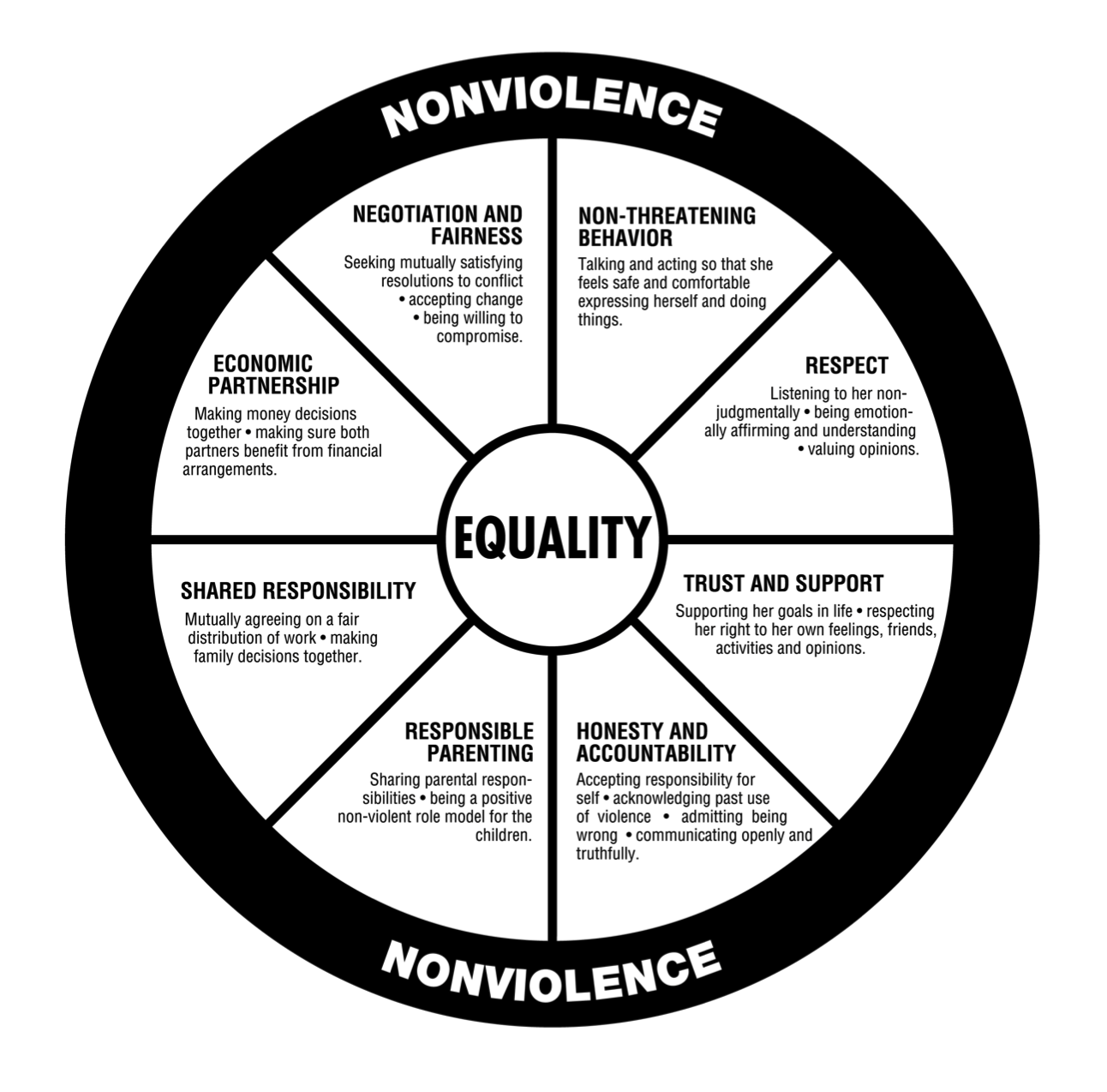
Click image to open in new tab for better viewing.
Image credit: Domestic Abuse Intervention Programs, 202 East Superior Street, Duluth, Minnesota
55802
Even small actions can have a big impact. Domestic violence is a complex issue, but awareness is the first step toward change. This October, take the time to learn, share, and support. Together, we can build safer, healthier communities for everyone.
National Support Resources
If you or someone you know needs help, these confidential, 24/7 resources are available:
National Domestic Violence Hotline
- Call: 1-800-799-SAFE (7233)
- Text: START to 88788
- Website: thehotline.org
National Coalition Against Domestic Violence (NCADV)
- Website: ncadv.org
National Resource Center on Domestic Violence (NRCDV)
- Website: nrcdv.org
Leave a Comment